
What Is Volta
Project Overview
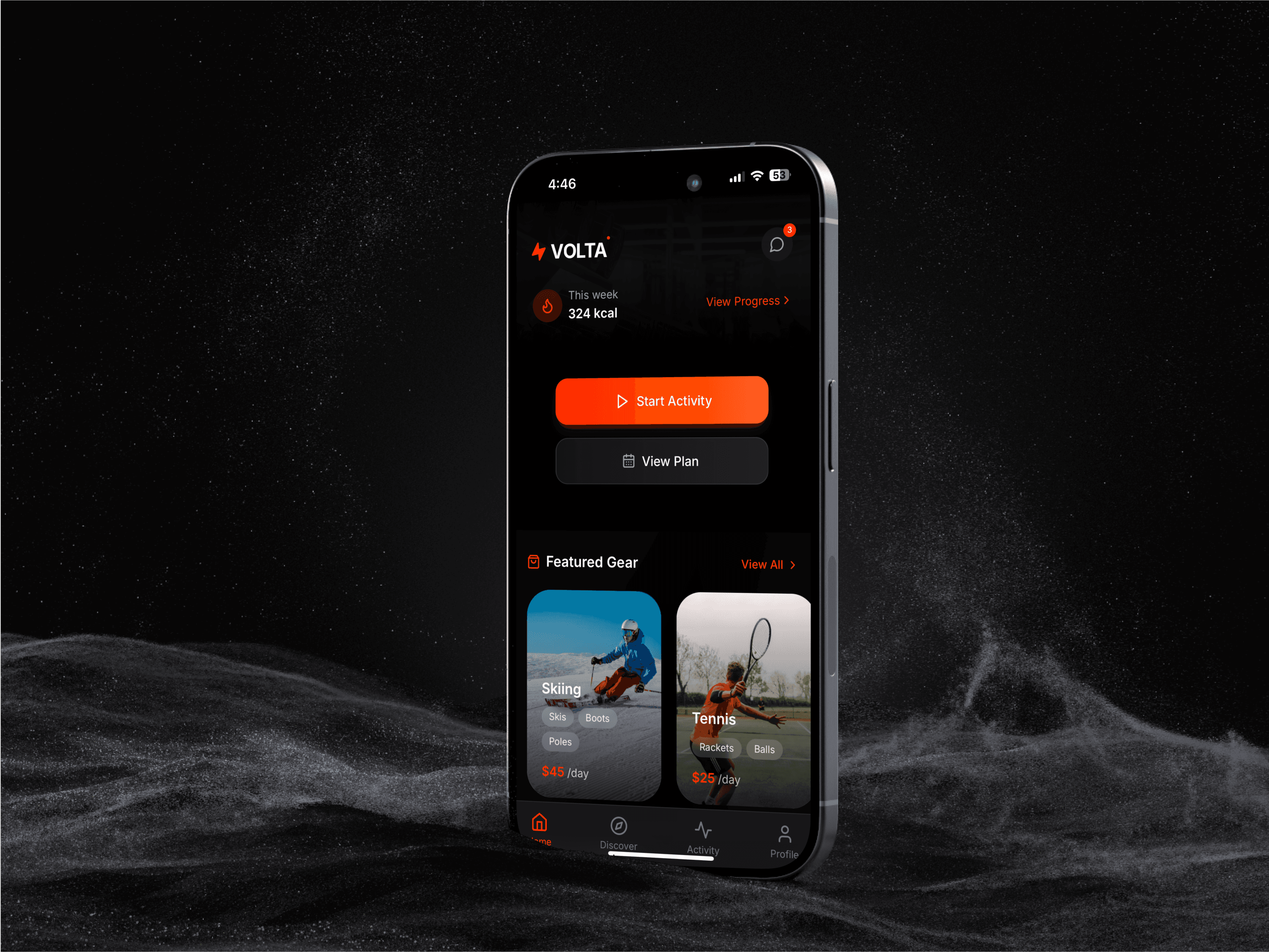
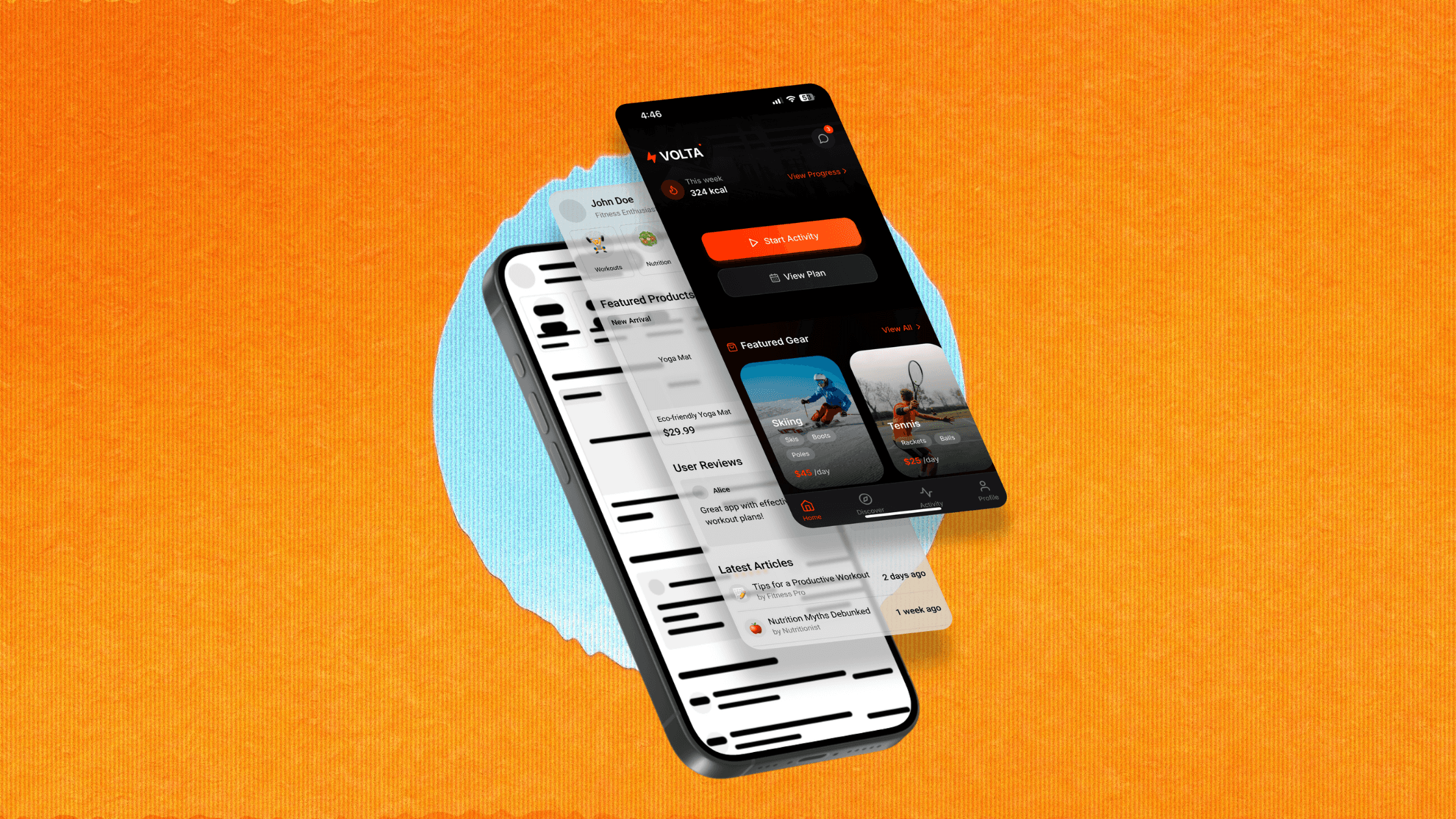
Volta was an early-stage fitness tech startup aiming to bring social connection back to physical activity. The vision was to let people easily find workout partners, organize matches, book courts, and rent equipment ,all in one seamless mobile experience.
My challenge was to turn a raw business idea into a coherent, user-centered MVP that people would actually use, not another dead fitness app.
I was responsible for the entire UX strategy and product design, from defining the user problems and journeys to building scalable, accessible components and testing usability across flows.
01 — The Problem
01
Solo doesn’t last
People want to stay active, but solo workouts don’t last.
02
Team sport is admin
They want to play team sports but struggle with organization and reliability.
03
One app per step
WhatsApp groups for chatting, gym apps for booking, another one for renting gear.
Users bounced before they even reached the “play” phase.
The challenge I tackled
02 — Research
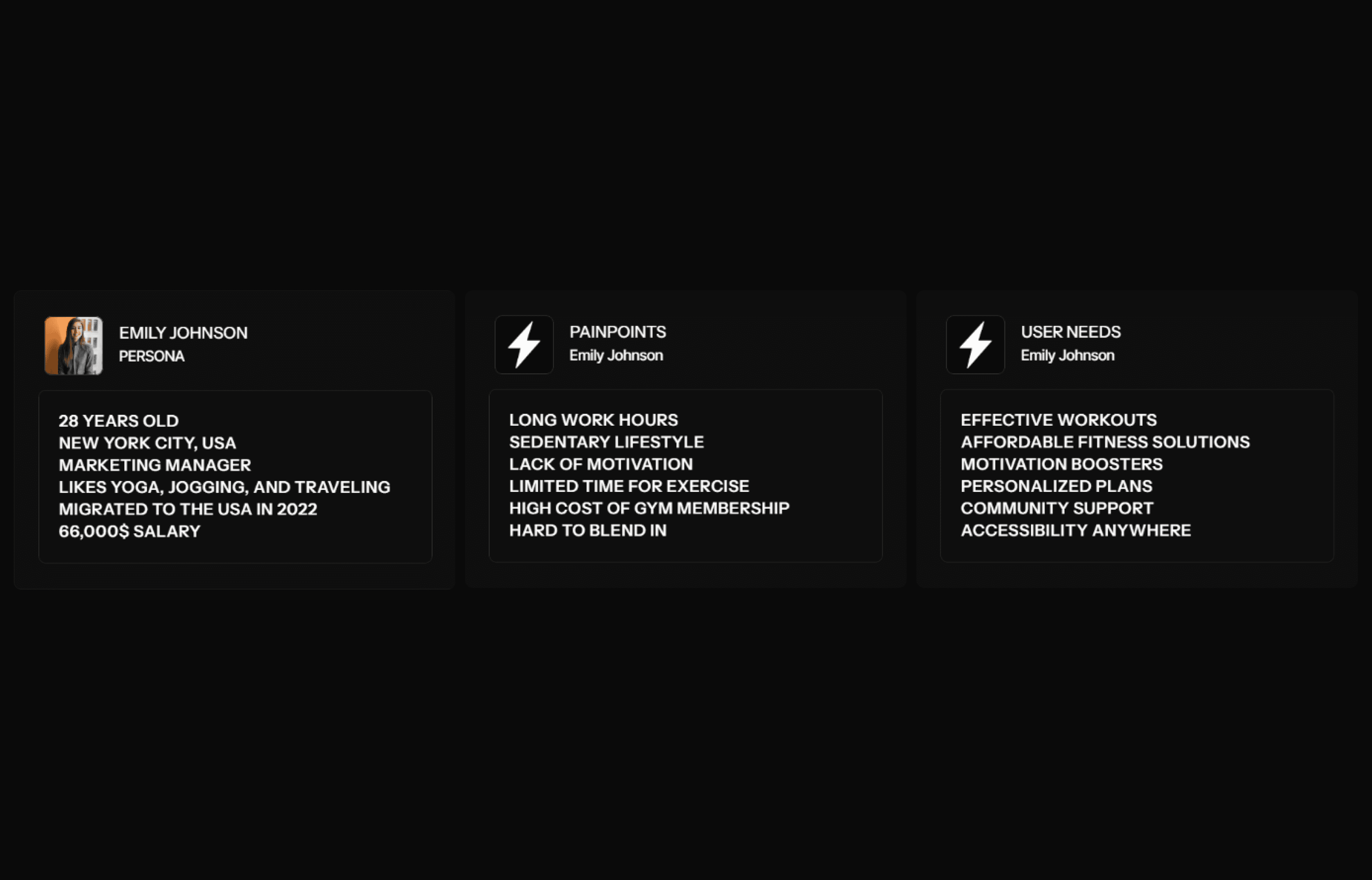
Persona 01
25 · Turin · corporate employee
Misses casual basketball but hates organizing games. Tech-comfortable, impatient with clutter, and cares about time efficiency.
Need
Quick ways to join local games without group chaos.
Pain point
Unreliable attendance and overcomplicated booking processes.
Persona 02
30 · Milan · creative freelancer
Wants to stay fit in fun ways, not repetitive gyms.
Need
Discover spontaneous activities and like-minded people.
Pain point
Too many apps, plus social anxiety joining unfamiliar groups.
I focused the design on trust, speed, and inclusivity — core behavioral motivators derived from both personas.
03 — Findings
Fragmented journeys
Users had to switch between messaging, booking, and payment apps.
Drop-off after onboarding
High sign-up friction and unclear next steps.
No social reliability
Users needed reassurance that “people will actually show up.”
Design goals I defined
01
02
03
From Scratch
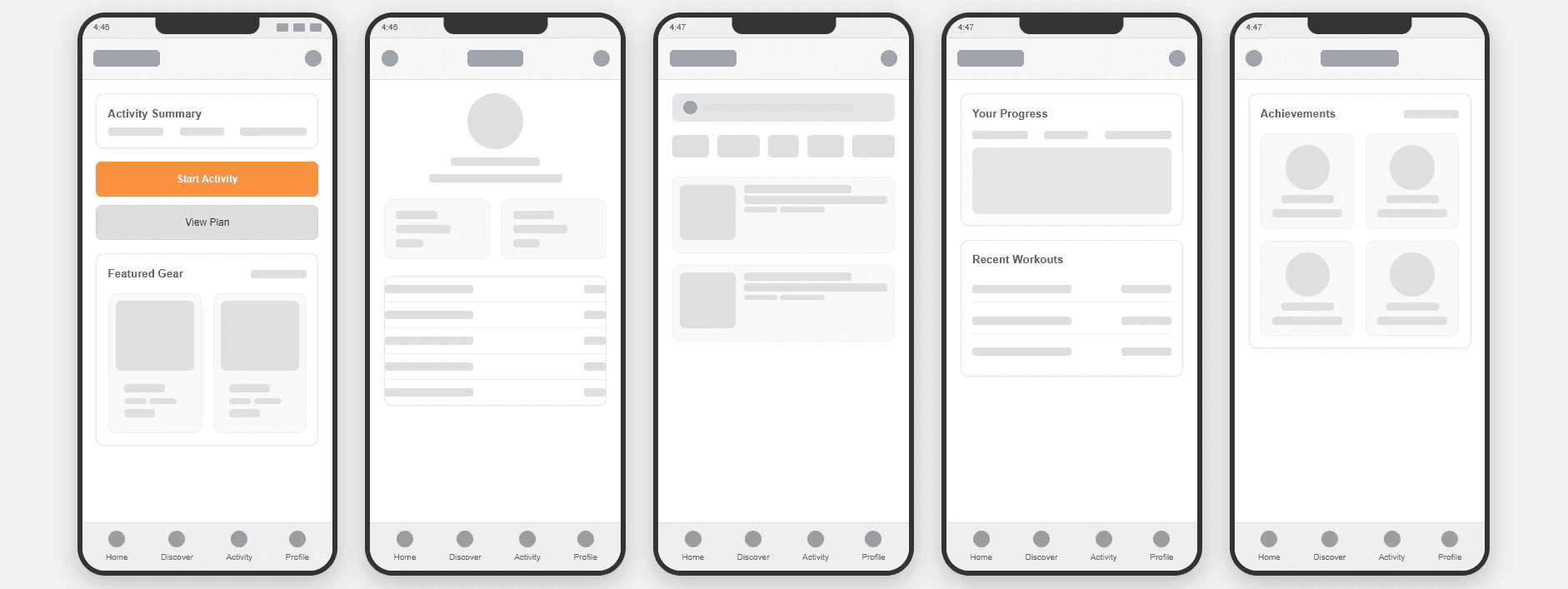
Used the Design Thinking process to achive a user centered design. with sketches, wireframes, and trying different user flows to achieve the final app design.
Sketches
Wireframes
Design Thinking
04 — Process
01
Define
Translated ambiguous startup goals into UX objectives and KPIs.
Retention
Engagement
Activation
02
Ideate
Built storyboards and flow maps to visualize user intent.
03
Prototype & Test
Created wireframes, tested remotely with Maze, and iterated on confusion points.
04
Deliver
Developed an atomic design system for scalability.
Features Dedicated to User Needs
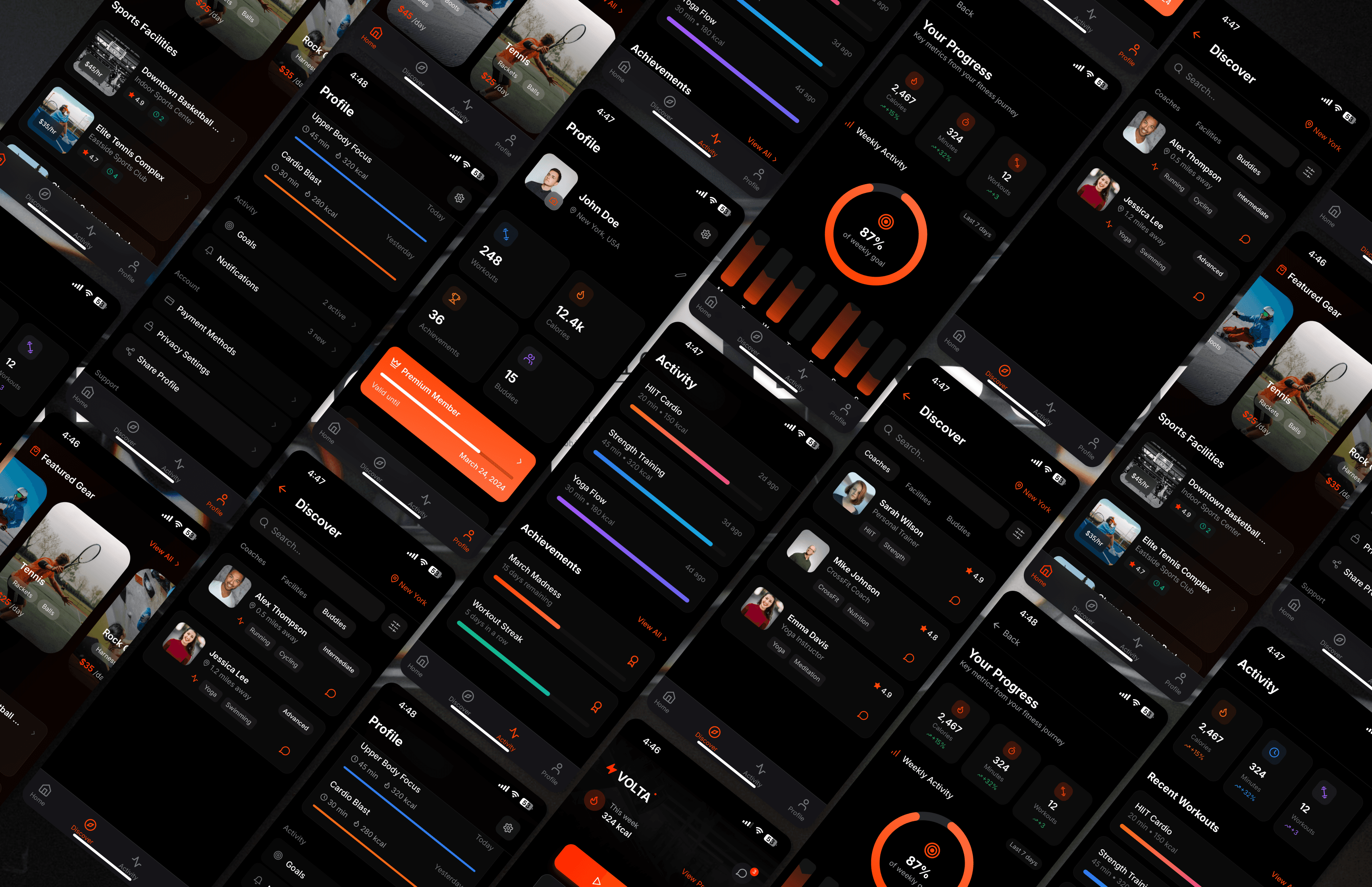
From finding you workout buddy, renting required gear and equipment, and booking facilities, to get insights from porfessionals
Facilities
Buddies
Performance
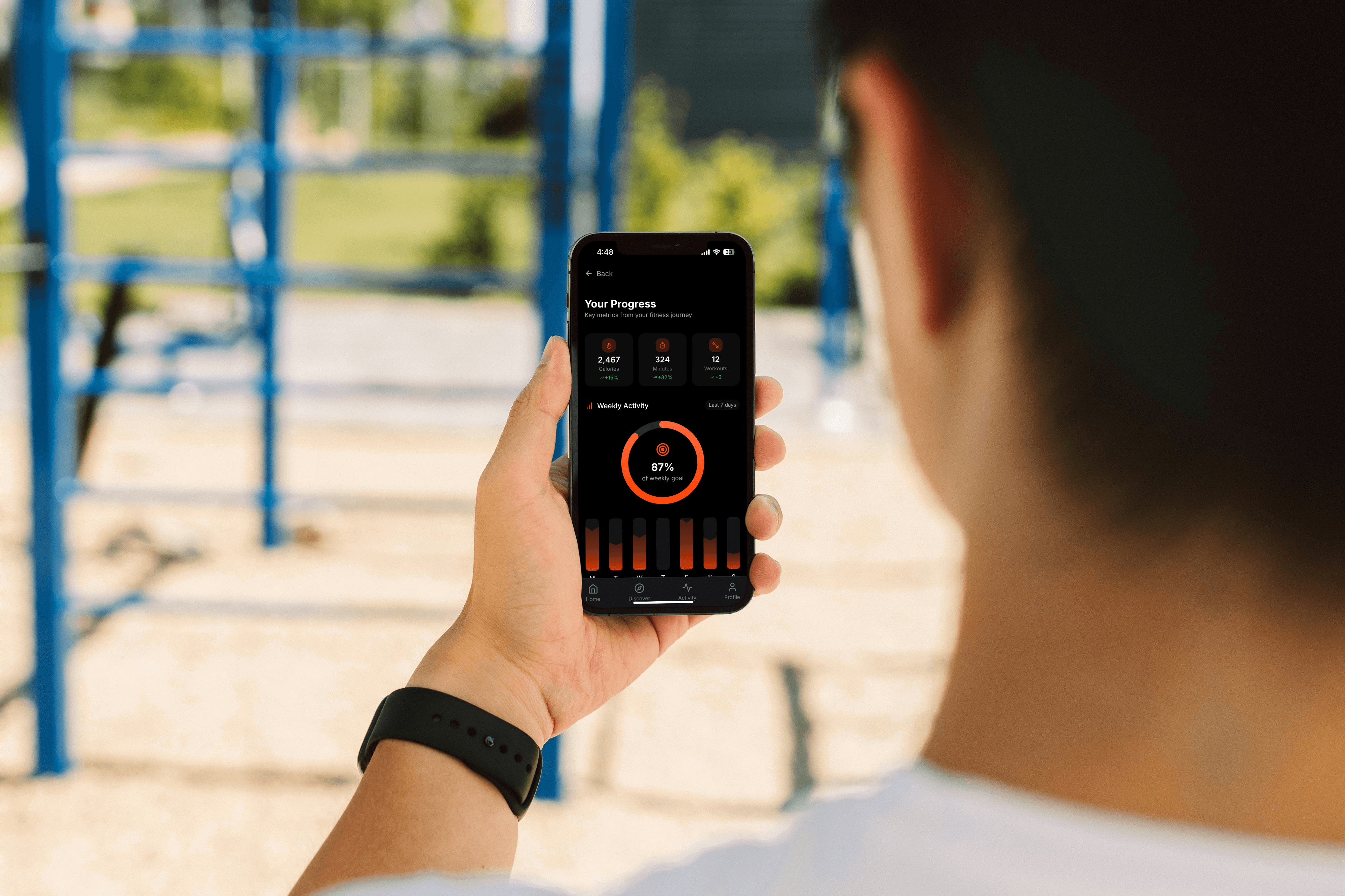
Smart Progress and Goal Tracking
Track your daily, weekly or even yearly workout plans, your progress and have control over all the metrics you need in one place
Goal Tracking
Progress
Motivation
05 — Key problems solved
01
Drop-offs during onboarding
Redesigned onboarding into a progressive model, cutting cognitive load.
Social login
→
Quick interest setup
→
Instant local matches
First-session completion
02
Low engagement in empty feeds
Replaced the empty “no matches” state with contextual prompts: “Start a match nearby” plus prefilled activity templates.
Early interactions
03
Low reliability in participation
Introduced “attendance streaks” and verified profiles, reinforcing community trust and reducing ghost signups.
Fewer ghost signups
04
Complex booking flow
Merged equipment rental and location booking into a single flow.
Task time saved vs. competitors
05
Accessibility issues
Applied WCAG guidelines to contrast ratios, typography and touch targets, making the app accessible to visually and motor-impaired users.
WCAG applied
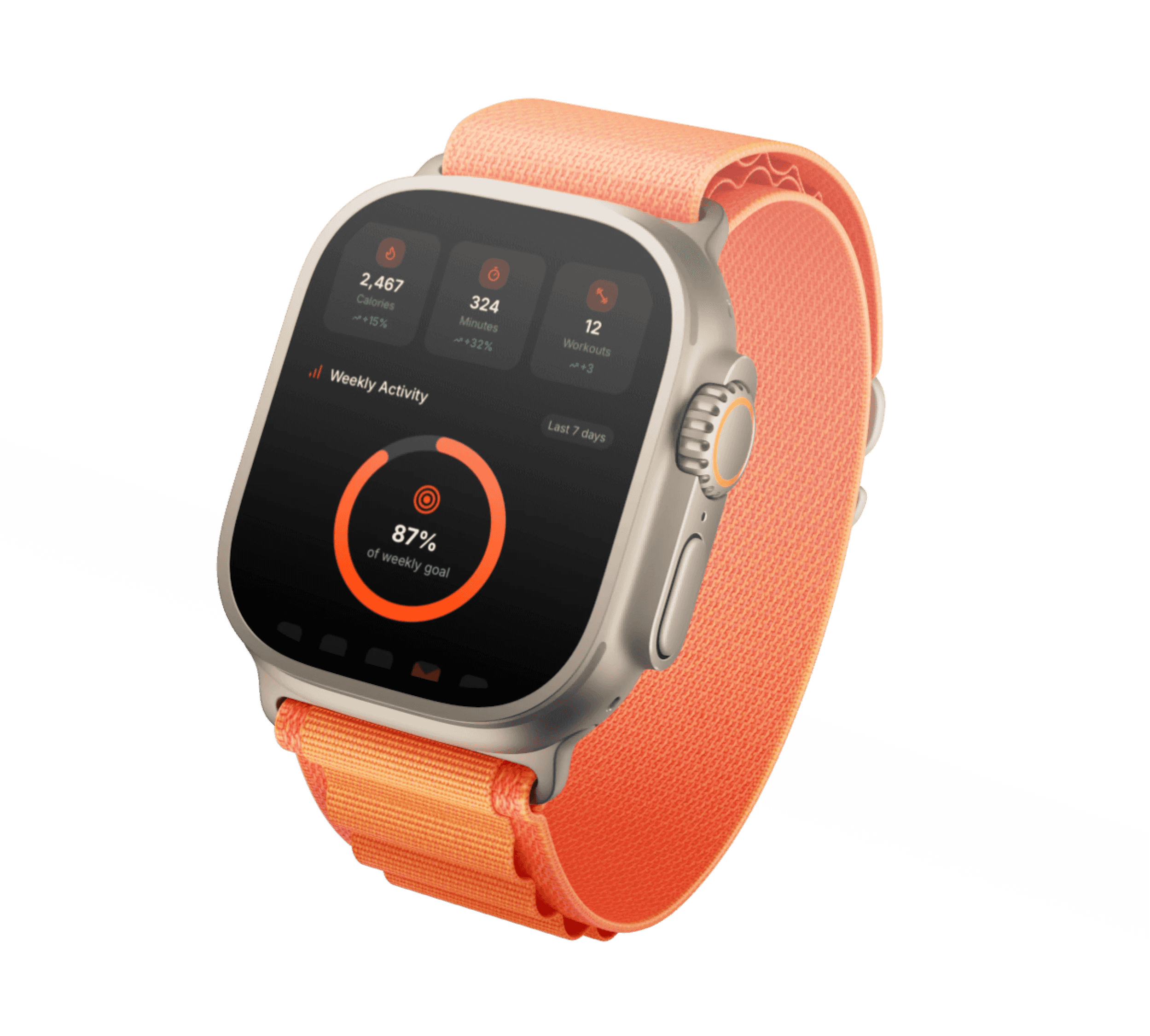
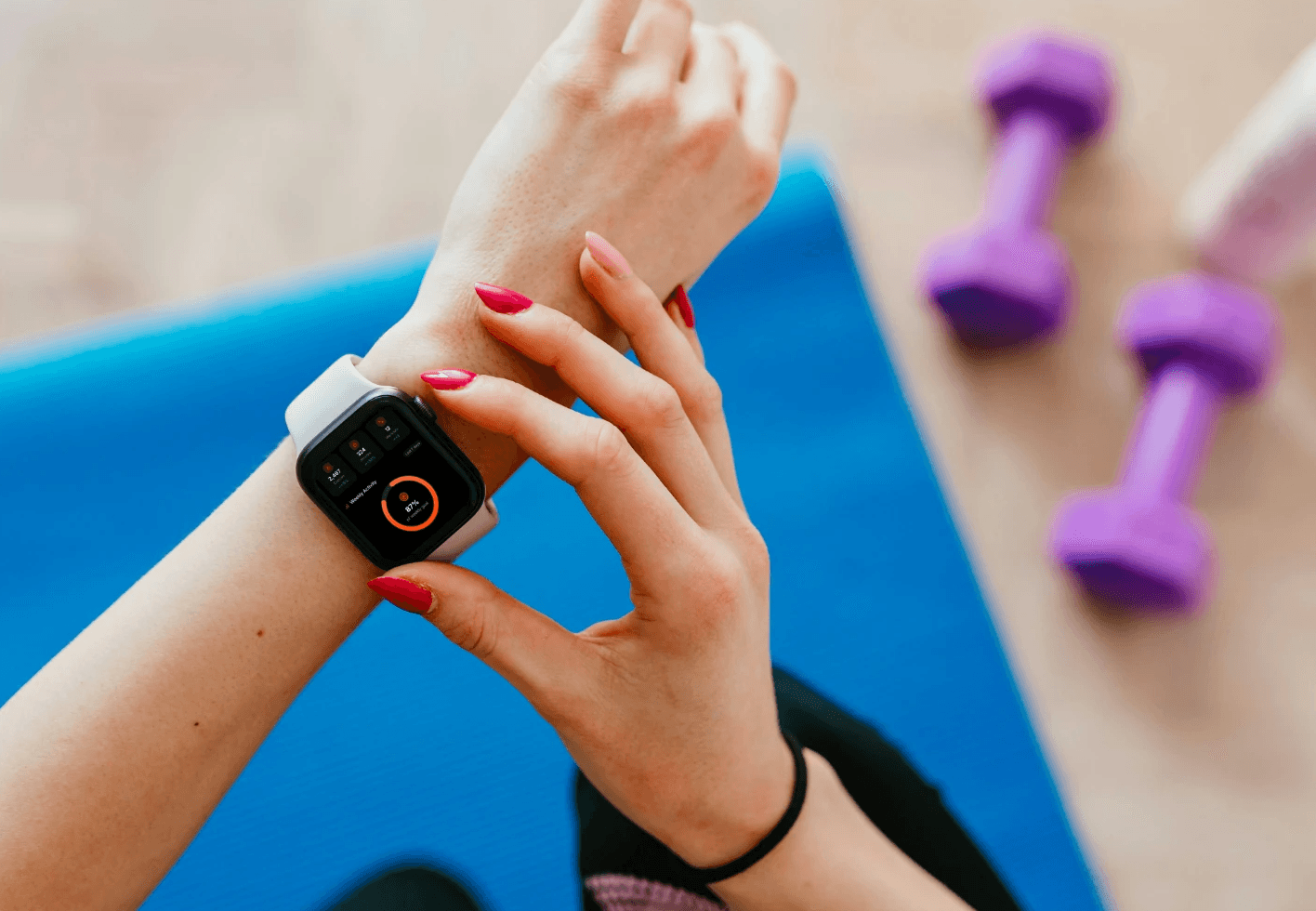
Multi-Platform Design
Designed for Web, Mobile, and Wearables, ensuring usability across platforms while keeping the ecosystem feasible, usable, clean, and user-centered.
06 — The solution
Smart Matchmaking
Users can auto-complete teams or discover open matches nearby.
Instant Booking Flow
Venue, players and gear, integrated in one flow.
Trust Layer
Verified profiles, attendance badges and real-time confirmations.
Community Feed
Local sports updates, challenges and friend activities.
Dark UI with glass accents
Sporty energy and high readability in outdoor light.
Modular design system
Reusable and built on atomic principles for faster dev handoff and future scalability. Documented in Figma to keep every screen consistent:
Interactions
Spacing
Color tokens
Data Driven UI Design
A data-driven UI, aligned with user needs, UX practices, and methodologies, ensures both functionality and aesthetics. making users enjoy every second of using the app. I used the data gathered from Design Sprints, Surveys, and interviews to tackle the design with an iterative approach.
07 — Impact & value delivered
TL;DR
"The main materials and assets of the project are under NDA."
Volta Fitness connects people who want to move, play, and stay active together.
As the Lead UX/UI Designer, I translated a raw startup concept into a fully functional MVP through:
Strategic UX research and problem definition.
Human-centered design decisions with measurable impact.
Accessibility-first design system ensuring long-term scalability.
This project wasn’t about “making pretty screens.” It was about building a community-driven fitness experience that solved real coordination pain points and actually made people show up.